From Drawing to Creation Understanding the Wire Forming Process
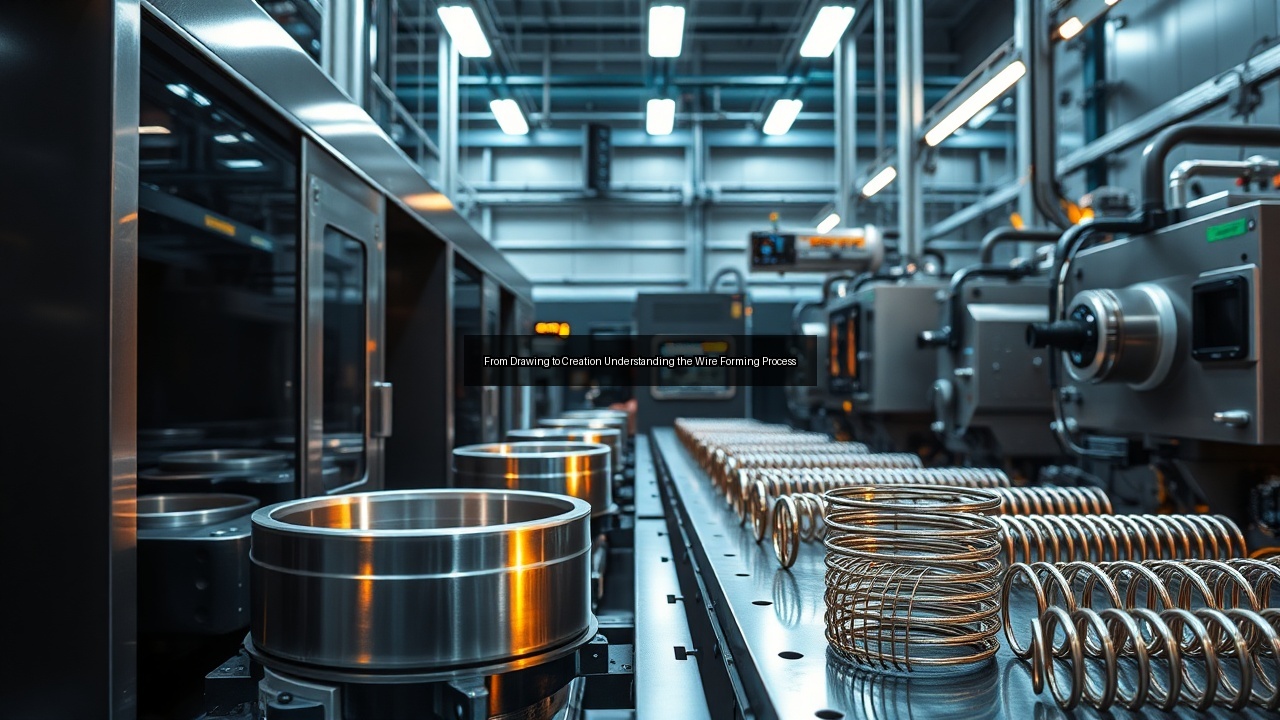
Understanding the Wire Forming Process
Overview of Wire Forming Techniques
Wire forming encompasses a variety of techniques that transform raw wire into specific shapes and configurations. Common methods include bending, coiling, and threading, which allow manufacturers to create parts that meet precise specifications. The wire forming process often begins with drawing, which reduces the diameter of the wire while simultaneously increasing its length. This step is crucial for achieving the desired strength and flexibility in the final product. Other techniques involve CNC machining, which utilizes computer numerical control to produce intricate designs with high accuracy. These wire forming methods cater to a broad spectrum of industries, enabling the production of everything from simple hooks to complex coil springs.
Key Materials in Wire Forming
Materials play a pivotal role in the wire forming process. Stainless steel, for instance, is a popular choice due to its corrosion resistance and durability. Other materials like carbon steel, aluminum, and copper also find extensive use, each offering unique properties suitable for different applications. The selection of material depends on the final product's requirements, such as strength, weight, and environmental resistance. Understanding the characteristics of these materials helps engineers design wire shapes that fulfill specific needs. The choice of wire diameter further influences the forming process, impacting both the mechanical properties and the overall performance of the finished product.
Applications Across Industries
Wire forming serves a multitude of industries, showcasing its versatility and adaptability. In the automotive sector, wire formed components are integral to safety features, such as seatbelt mechanisms and structural reinforcement. The aerospace industry relies heavily on wire forming for critical components that must withstand extreme conditions. Medical devices also benefit from wire forming techniques, where precision engineering ensures the reliability of surgical instruments and implants. Beyond these sectors, wire forms find their place in everyday products, from household items to industrial machinery. The broad applicability of wire forming highlights its essential role in modern manufacturing.
The Wire Forming Workflow
From Drawing to Prototyping
The wire forming workflow begins with drawing, where raw wire undergoes a reduction in diameter through a series of dies. This initial step is crucial as it sets the stage for subsequent forming processes. After drawing, prototyping becomes the next critical phase. Manufacturers often create prototypes to test design concepts and functionality before mass production. Prototyping allows for adjustments to be made based on real-world performance, ensuring that the final product meets all specifications. Engineers utilize various techniques during this phase, leveraging their expertise to fine-tune wire shapes and ensure they align with the intended application. This iterative process is key to achieving the desired quality and performance in wire formed parts.
Machine Selection and Setup
Choosing the right machines for wire forming is vital to achieving optimal results. Different machines, such as bending equipment, coiling machines, and CNC routers, cater to specific wire forming techniques. The setup of these machines requires a deep understanding of the wire being processed, including its material properties and intended shape. Technicians must calibrate machines meticulously to ensure they can handle the required tolerances during production. Proper machine selection and setup lead to increased efficiency and reduced waste, ultimately enhancing the overall wire forming process. Investing in high-quality machines can significantly improve production capabilities, leading to more precise and consistent wire forms.
Computer Numerical Control (CNC) in Wire Forming
CNC technology revolutionizes the wire forming process by enabling precision and automation. Machines equipped with computer numerical control can execute complex designs with high accuracy, reducing the risk of human error. CNC systems allow for rapid adjustments and modifications, facilitating quick turnaround times for prototypes and production runs. This technology is particularly beneficial in producing intricate wire shapes and parts that require tight tolerances. The integration of CNC in wire forming also enhances repeatability, ensuring that each wire formed component meets stringent quality standards. As manufacturing demands evolve, CNC capabilities continue to shape the future of wire forming, offering innovative solutions to meet industry needs.
Precision in Wire Forming
Tolerances and Their Importance
Precision is paramount in wire forming, particularly regarding tolerances. Tolerances refer to the allowable deviations from specified dimensions, and they play a critical role in ensuring that wire formed parts function as intended. Tight tolerances are essential for applications in aerospace, automotive, and medical devices, where even minor variations can lead to significant failures. Engineers must carefully determine the necessary tolerances based on the part's function and the stresses it will encounter. Achieving these tolerances requires meticulous attention to detail throughout the wire forming process, from drawing to final inspection. Companies that prioritize precision in wire forming gain a competitive edge, as they can deliver high-quality products that meet or exceed industry standards.
Engineering Wire Shapes for Different Needs
Engineering wire shapes involves designing components tailored to specific applications. This process requires a thorough understanding of the end-use requirements and the mechanical properties of the wire material. Factors such as load-bearing capacity, flexibility, and resistance to fatigue play a crucial role in the design phase. Engineers often utilize software simulations to visualize how different wire shapes will perform under various conditions, allowing them to optimize designs before production. This proactive approach minimizes the risk of costly revisions and ensures that wire formed parts can withstand their intended uses. The ability to engineer custom wire shapes enhances product functionality and broadens the range of applications for wire forming.
The Role of Diameter in Wire Forming
Diameter significantly influences the wire forming process, affecting both the mechanical properties of the wire and the capabilities of the forming machinery. Thicker wires typically offer greater strength but may require more powerful machines and greater force to shape. Conversely, thinner wires provide flexibility but may lack the necessary strength for certain applications. Engineers must consider the intended application when selecting wire diameter, as it determines the feasibility of forming techniques and the overall performance of the finished product. Adjusting the diameter during the drawing process also allows manufacturers to tailor wire properties, ensuring that each batch meets specific requirements for various industries, from coil springs to complex assemblies.
Innovations in Wire Forming Technology
Advancements in Wire Forming Machines
Recent advancements in wire forming machines have transformed the landscape of manufacturing, enhancing efficiency and precision. Modern machines now incorporate advanced features such as automated tool changes and real-time monitoring systems. These innovations streamline the production process, allowing for quicker setups and reduced downtime. Additionally, the integration of robotics in wire forming has introduced new levels of automation, enabling manufacturers to produce high-quality wire forms at unprecedented speeds. As technology continues to evolve, manufacturers can expect further enhancements in wire forming capabilities, resulting in more complex designs and improved overall performance.
The Future of Wire Forming in Aerospace
The aerospace industry stands to benefit immensely from advancements in wire forming technology. As the demand for lightweight, high-strength components grows, wire forming processes evolve to meet these challenges. Innovations in materials, such as advanced alloys and composites, enable the production of components that are both lightweight and durable. Furthermore, the push for greater fuel efficiency in aviation drives the need for precise and reliable wire formed parts. As manufacturers adopt new techniques and technologies, they can create wire shapes that optimize aerodynamic performance while maintaining structural integrity. The future of wire forming in aerospace looks promising, with endless possibilities for innovation and improvement.
Sustainability in Wire Forming Processes
Sustainability has become a central focus in manufacturing, and wire forming is no exception. Companies are increasingly adopting eco-friendly practices, from sourcing materials to minimizing waste during production. Innovations in recycling and reusing scrap material significantly reduce the environmental impact of wire forming processes. Additionally, energy-efficient machines and processes contribute to lower carbon footprints. Manufacturers that prioritize sustainability not only comply with regulations but also appeal to environmentally conscious consumers. As the industry moves forward, integrating sustainable practices into wire forming will play a crucial role in shaping a more responsible and efficient manufacturing landscape.
See Also
- Exploring the Benefits of Custom Wire Shapes in Various Industries
- How Coil Springs Are Revolutionizing the Wire Forming Landscape
- Innovative Wire Forming Techniques for Aerospace Applications
- Designing with Wire Forming Understanding Material Properties and Performance
- Maximizing Tolerances in Wire Forming for High-Quality Outcomes