Future Trends in CNC Machined Plastics You Should Know About
Emerging Technologies in CNC Machining of Plastics
Advancements in CNC Machinery
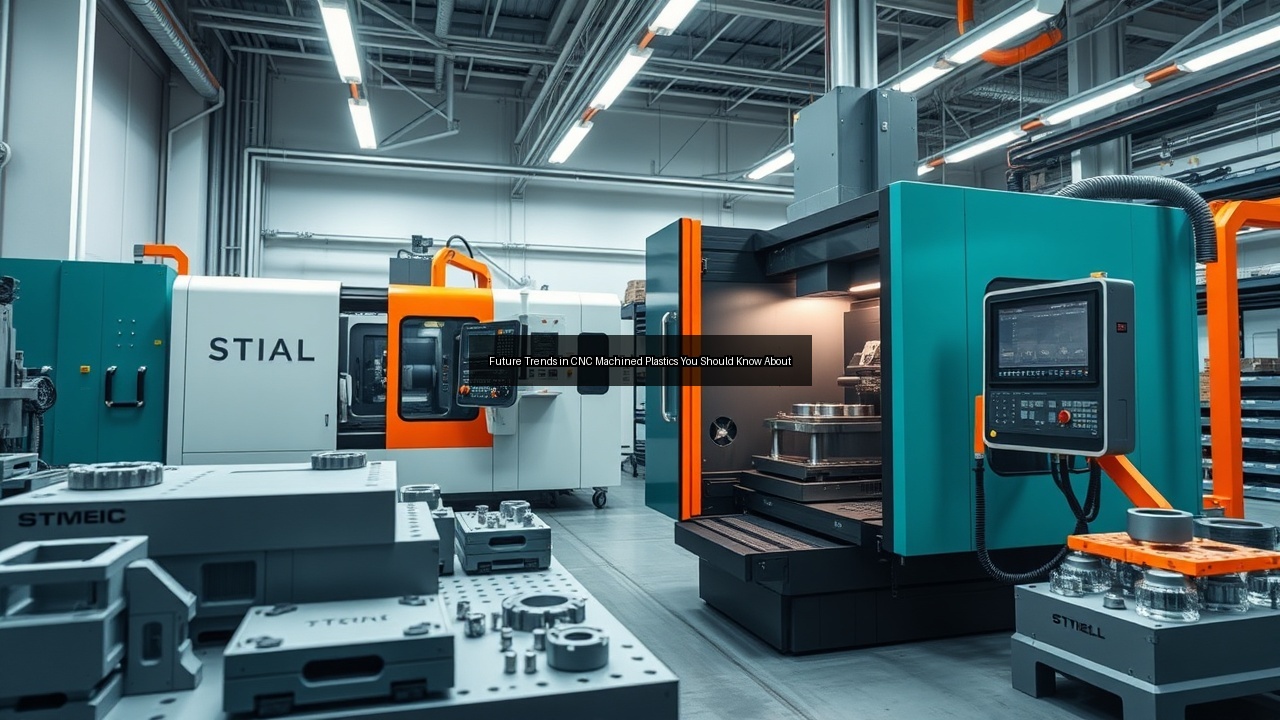
The landscape of CNC machining is rapidly evolving, particularly in the realm of plastics. Modern CNC machinery now boasts advanced capabilities, enhancing precision and efficiency. These machines integrate high-speed spindles, multi-axis configurations, machined plastic part and programmable features that allow for intricate designs in plastic fabrication. Manufacturers leverage these advancements to produce machined plastic components that meet stringent specifications. The adoption of high-performance tools and cutting-edge materials contributes to reduced cycle times and improved surface finishes, essential for high-quality CNC machined plastic cnc machined components plastic parts. Companies investing in these technologies can significantly enhance their production capabilities, allowing for greater customization and scalability in their offerings.
Integration of Robotics in Plastic Fabrication
Robotics plays a vital role in modern CNC machining processes, especially in plastic fabrication. The integration of robots into machining setups allows for automation of repetitive tasks, reducing human error and increasing overall efficiency. Robots equipped with advanced sensors can handle delicate operations, ensuring that machined plastic components maintain their integrity during production. This automation not only streamlines workflows but also enables manufacturers to scale operations without compromising on quality. Furthermore, robotic arms can be employed in post-machining processes, such as assembly and surface finishing, enhancing productivity further. As the technology continues to advance, expect to see more sophisticated robots that can adapt to various machining tasks, driving innovation in the industry.
Smart CNC Systems and Automation
Smart CNC systems are revolutionizing the way manufacturers approach plastic machining. These systems utilize IoT technology to monitor machine performance in real time, enabling predictive maintenance and reducing downtime. By gathering data on operational efficiency, machinists can make informed decisions that optimize production processes. Automation in CNC machining also enhances consistency in quality, ensuring that each batch of machined plastic components adheres to required tolerances and specifications. Additionally, smart systems can facilitate remote operation and monitoring, allowing manufacturers to manage their processes from anywhere, thus improving operational flexibility. The future of CNC machining lies in this blend of intelligence and automation, setting new standards for the industry.
Innovative Materials Driving the Future of Machined Plastics
Engineering Plastics: Properties and Applications
Engineering plastics are gaining prominence in CNC machining due to their superior properties and versatility. Materials like polycarbonate, nylon, and acetal offer enhanced strength, durability, and resistance to heat and chemicals. These characteristics make them ideal for applications in automotive, aerospace, and consumer goods industries. Machinists appreciate the ease of machining these materials, which allows for the production of intricate designs and precise dimensions. Additionally, engineering plastics can be tailored to meet specific requirements, whether for load-bearing applications or aesthetic finishes. As demand increases for high-performance materials, engineering plastics will continue to drive innovation in the production of machined plastic parts.
The Rise of Composite Materials
Composite materials are transforming the landscape of CNC machined plastics. These materials combine the benefits of different substances, such as reinforcement fibers with polymers, resulting in lightweight yet strong components. The use of composites in plastic machining allows for the creation of parts that exhibit superior mechanical properties while reducing overall weight. Industries such as aerospace and automotive are particularly interested in these materials for applications where weight reduction is crucial. Moreover, the versatility of composites enables machinists to design components that meet specific requirements without sacrificing performance. As technology advances, the integration of composites into CNC machining processes will likely expand, offering new possibilities for innovation and application.
Sustainable Plastics in CNC Machining
Sustainability is a growing concern in all manufacturing sectors, and CNC machining is no exception. The demand for eco-friendly materials has led to the development of sustainable plastics designed for machining. These materials, often derived from renewable resources or recycled materials, reduce environmental impact while maintaining desirable properties for plastic fabrication. Manufacturers are increasingly adopting these sustainable options, not only to meet regulatory requirements but also to appeal to environmentally conscious consumers. Machined plastic components made from sustainable materials can deliver performance comparable to traditional plastics, making them a viable choice for various applications. As the industry shifts towards greener practices, expect sustainable plastics to play a significant role in the future of CNC machining.
Precision and Quality in CNC Machined Components
Importance of Tolerances and Specifications
Precision is paramount in the CNC machining of plastics. Adhering to tight tolerances and specific dimensions ensures that machined plastic components fit seamlessly into their intended applications. Machinists must carefully consider the specifications of each project, as even minor deviations can lead to significant issues in functionality and performance. Advanced CNC machinery equipped with high-precision tools can achieve remarkable accuracy, but skilled operators are essential to optimize these capabilities. This emphasis on precision not only enhances product quality but also builds trust with clients across various industries. Companies that prioritize exacting tolerances often gain a competitive edge, as they can deliver consistent, high-quality machined plastic parts that meet or exceed customer expectations.
Surface Finishing Techniques for Machined Plastics
The surface quality of machined plastic components significantly impacts their performance and aesthetic appeal. Various surface finishing techniques machined plastic part are employed to enhance the appearance and functionality of these parts. Common methods include sanding, polishing, and coating, each tailored to achieve specific results. For instance, polishing can improve clarity and reduce friction, while coatings can enhance chemical resistance and durability. Additionally, surface treatments like anodizing or plasma treatment can further modify the properties of plastics, making them suitable for demanding applications. Understanding the right surface finishing technique for each project allows manufacturers to elevate the quality of their machined plastics, ensuring they meet stringent industry standards and customer demands.
Quality Control Standards in Batch Production
Quality control plays a critical role in batch production of CNC machined plastic components. Implementing rigorous quality assurance protocols ensures that each batch meets the established specifications and tolerances. Techniques such as statistical process control and regular inspection of machined parts help identify potential issues before they escalate. Companies often invest in advanced testing equipment to measure factors like dimensional accuracy and surface finish. By prioritizing quality control, manufacturers can reduce waste, minimize rework, and enhance customer satisfaction. Ultimately, a commitment to quality not only safeguards the integrity of machined plastic parts but also strengthens the reputation of the manufacturer in a competitive market.
Market Trends and Future Outlook
Demand for CNC Machined Plastic Parts in Various Industries
The demand for CNC machined plastic parts continues to rise across diverse industries. Sectors such as automotive, aerospace, and medical devices increasingly rely on precision-engineered components to improve performance and efficiency. Machined plastic components offer significant advantages, including lightweight designs and resistance to corrosion, making them ideal for high-stakes applications. As technological advancements drive innovation, new applications emerge, further expanding market opportunities. The ongoing trend towards customization also influences demand, as companies seek tailored solutions for unique challenges. This growing need for specialized machined plastic parts positions manufacturers to capitalize on new opportunities in various sectors, fostering business growth and innovation.
Key Players and Manufacturers in the Machined Plastic Market
Numerous key players dominate the CNC machined plastic market, each contributing to the industry's growth through innovation and quality. Established manufacturers invest in advanced CNC machinery, ensuring they remain competitive in a rapidly evolving landscape. These companies often focus on specific niches, such as engineering plastics or composite materials, allowing them to specialize and excel in their chosen segment. Strategic partnerships and collaborations also play a role in expanding capabilities and market reach. As new entrants join the market and existing players adapt to changing demands, the competitive landscape continues to evolve, driving advancements in technology and production techniques for machined plastic components.
Future Challenges and Opportunities in Plastic Machining
While the future of CNC machining in plastics presents numerous opportunities, it also poses challenges. Manufacturers must navigate fluctuating raw material costs and increasing environmental regulations that impact production processes. Additionally, the demand for rapid prototyping and shorter lead times requires companies to invest in advanced technologies that enhance efficiency. However, these challenges also offer avenues for innovation. Companies that embrace sustainable practices and invest in smart technologies can position themselves as leaders in the industry. By adapting to market trends and consumer demands, manufacturers can not only overcome challenges but also seize opportunities to enhance their offerings and drive growth in the CNC machined plastic sector.